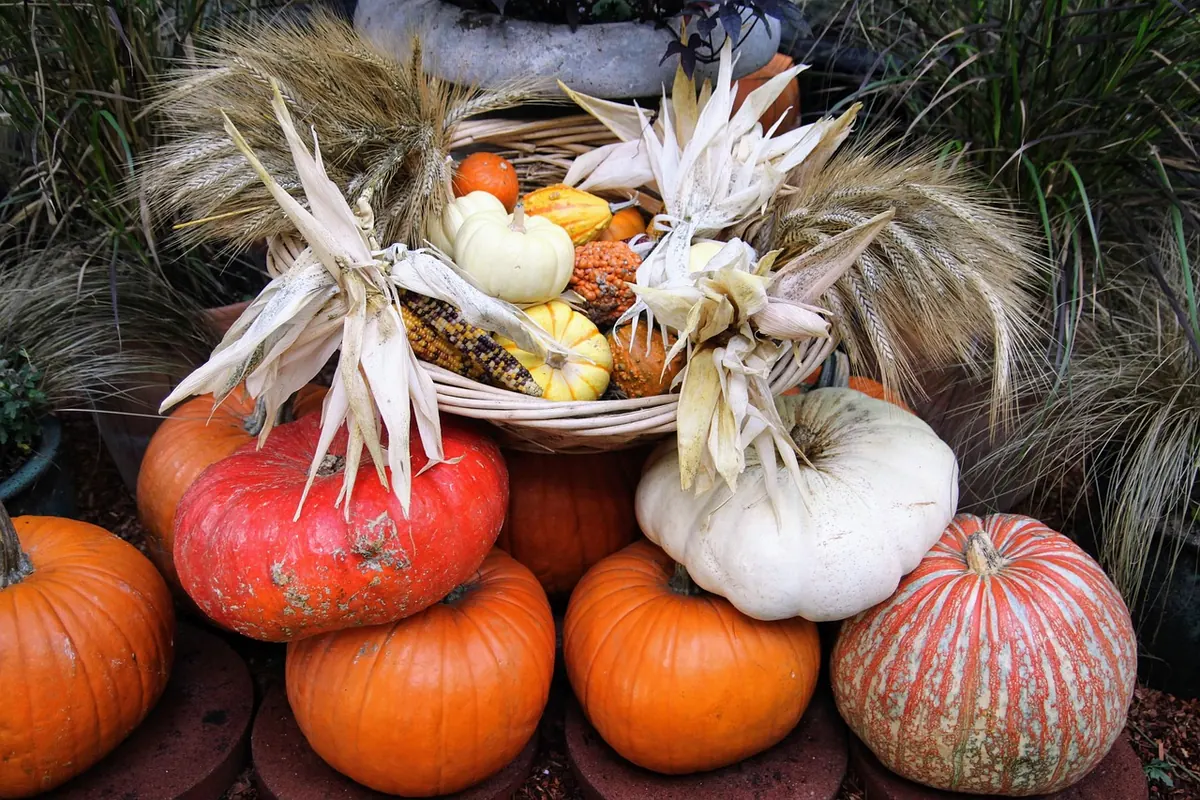
By late October the kitchen table is carrying more than it should: a crate of Bramleys from a neighbour's tree, a bag of carrots still smelling of soil, three squash bought on impulse at the market. Autumn abundance is lovely for a week. Then things soften.
Sorting the harvest now — curing what needs curing, giving each crop the conditions it actually wants, and setting up a simple rotation — is the difference between eating your own produce in February and composting it in November.
Reset the space before the produce arrives
Start with an empty shelf. Clear the cupboard under the stairs, the garage corner, the shed, the spare-room wardrobe you use as a larder. Wipe the surfaces and let them dry properly before anything goes back. While the space is bare, look for what quietly ruins harvests: damp patches on outside walls, a smell of mould, chewed cardboard, mouse droppings.
Don't keep old boxes "just in case" — cardboard is a favourite for nesting. Replace them with slatted shelves, stacking bread crates or shallow wooden trays with gaps for air. Airflow matters more than neatness. A cheap thermometer earns its place too: knowing whether you are at 4°C or 14°C tells you which crop belongs where. Keep produce off cold outside walls and concrete floors, both of which draw moisture into whatever is touching them. If the space is dark, add a battery-powered LED light so you can check crops without dragging a torch.
Cure first, store second
Curing is the dull step most people skip, and it is the one that adds weeks to storage life. It isn't drying things out. It is letting skins and stems harden so small wounds seal over and rot has nowhere to start.
Winter squash and pumpkins want a warm, dry, airy fortnight at around 20°C, out of direct sun. Onions and garlic hang or sit in trays until their necks are papery and rustle. Maincrop potatoes need a dark, airy fortnight so their skins set before they go into sacks. Roots need far less — a few hours spread out in a dry shed with the soil brushed off is usually enough.
Anything badly damaged doesn't cure; it decays. Eat those this week, or cook and freeze them. A nicked carrot or a bruised apple will not improve with keeping. Set them aside in a "use me first" bowl on the counter, and build meals around them.
Match the crop to the right corner
You are aiming for conditions, not perfection. Most homes have three usable zones and a fridge:
- Cool and dark, 4–8°C: maincrop potatoes, onions, garlic and shallots, in paper sacks or hessian. An unheated utility room, a shed or a garage corner away from the door.
- Cold, damp and frost-free, 2–4°C: apples, pears and roots packed in sand. Dampness stops roots shrivelling; frost turns them to mush.
- Warm and dry, 10–15°C: winter squash, pumpkins, sweet potatoes, the last green tomatoes. A spare room or a shelf well away from the boiler.
- The fridge: anything cut, cooked, or rescued from a soft spot. Use it within a few days.
- Never: sealed plastic bags, airtight bins, radiators, sunny windowsills. Trapped moisture is what turns a good crop into a sticky mess.
Squash: treat the stem like treasure
Cut squash from the plant with a good length of stem, around 3cm, rather than snapping it off, and never carry one by it. A broken stem is an open door for rot.
Once cured, keep them in a single layer so they aren't touching, on newspaper or slatted shelves, somewhere dry at about 10–15°C. Below 10°C they suffer chilling damage and soften at the neck; much above 15°C and they ripen and fade. Handle them as little as possible and check them weekly with a hand on the skin. A soft patch means cut it out, cook the rest, and freeze the mash if you can't eat it in a day or two. Once a squash is cut, it must be used within a few days or cooked and frozen; it will not store further. Wrap cut surfaces tightly with cling film and refrigerate if you are not cooking it immediately.
Apples and pears: keep them apart and cool
Apples and pears are the opposite of squash. They want cold, damp air and near-freezing temperatures. A frost-free garage, a cellar, or a dedicated fridge drawer works well. The old advice is to store them at 2–4°C, but pears prefer even colder, around 0–2°C, and will ripen off the tree if picked mature but firm.
The golden rule is to keep apples away from everything else. They release ethylene gas, which speeds ripening in other crops — good for ripening a green tomato, bad for your carrots and cabbage. Store them separately, ideally in a different room. Pears are even more sensitive to ethylene, so keep them apart from apples too, or they will turn mealy in weeks.
Wrap each apple in newspaper or place them in slatted trays so they don't touch. One bruised fruit can turn a whole tray. Check them every week, and remove any with soft spots. Bramleys and other cooking apples store better than most dessert varieties; eat the eaters first. If you have more than you can wrap, make applesauce or cider and freeze or bottle it.
Root vegetables: sand, sawdust and sacks
Roots — carrots, parsnips, beetroot, turnips, swedes — are the workhorses of the winter pantry. They need cold, damp, frost-free conditions, ideally 2–4°C, and they must not dry out. The classic method is a wooden box filled with slightly damp sand, sawdust, or coir. Layer the roots so they don't touch each other, cover with more sand, and keep the box in a cold shed or garage. Damp sand keeps them plump; dry air turns them woody.
Before storing, twist off the leafy tops rather than cutting them — cutting creates a wound. Brush off excess soil but don't wash them. Beetroot and parsnips store particularly well this way. If you don't have sand, hessian sacks in a cool, dark corner will work for a few weeks, but expect some shrivelling. Perforated plastic bags in the fridge are a good small-scale option: carrots and parsnips can last months in the salad drawer if you remove any soft ones.
Check roots monthly. If you find rot, remove it immediately. A slimy carrot will spread quickly. If you have a glut, pickle, ferment, or roast and freeze what you can't store.
Set up a simple rotation
Storage is not a set-and-forget job. It is a weekly habit. Set aside ten minutes every Sunday to walk your pantry, shed, and fridge. Carry a basket for anything that needs eating first: soft squash, wrinkled apples, sprouting onions. Move older crops to the front and newer ones to the back. A simple chalkboard or notebook listing what you stored and when helps you avoid discovering a forgotten box in March.
Use a "first in, first out" rule. Eat the small, the damaged, and the early-ripening varieties before you touch the perfect keepers. If something
Photo: lindaroisum / Pixabay