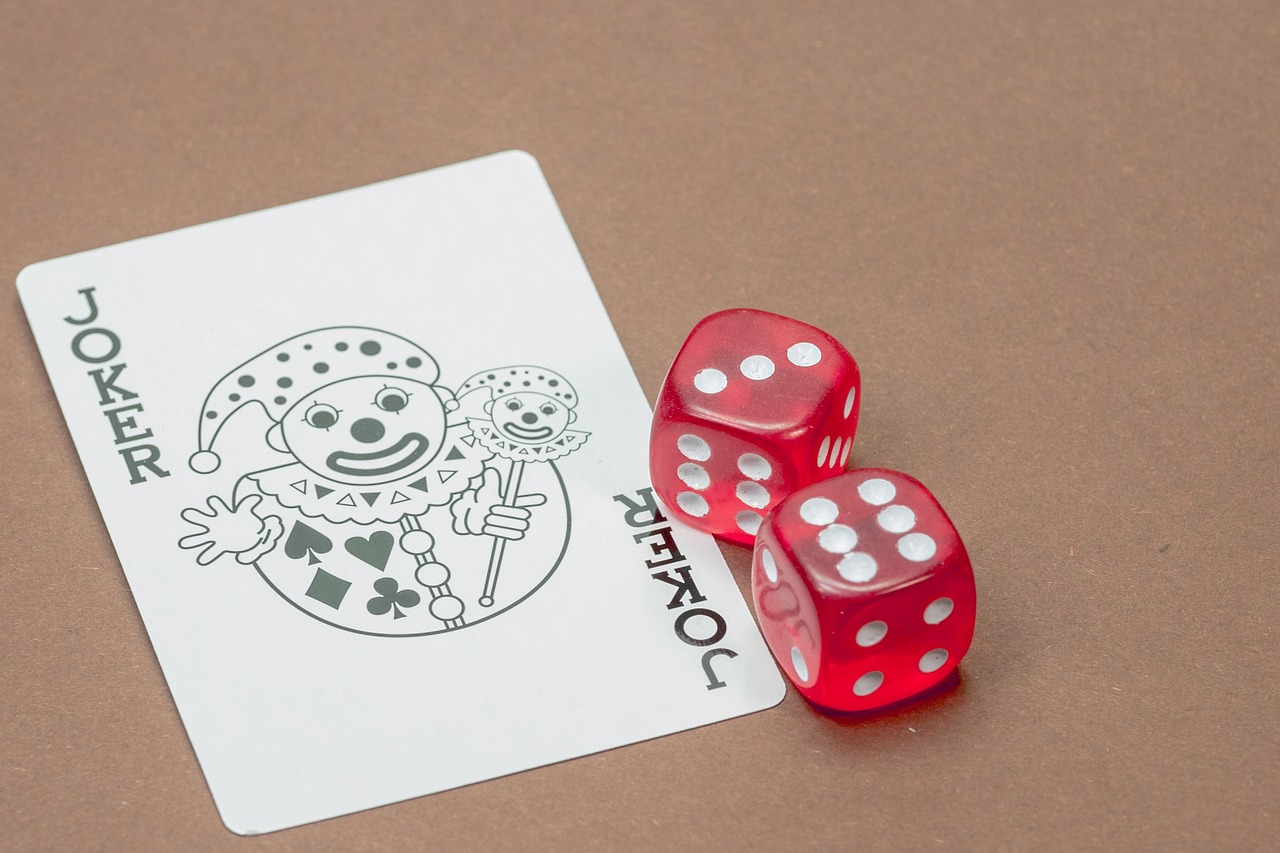
Most players lose at casinos for one reason, and it has nothing to do with luck. They sit down at the wrong game, at the wrong stakes, with the wrong expectations, and they stay too long. The math was against them before the first card was dealt. But here is the uncomfortable truth that separates casual punters from players who actually last: the house edge is not a flaw in the system. It is the system. Learn to read it, and you stop being the mark.
Understanding the Real Cost of Every Bet
Every wager you place has a price tag. Not the stake you hand over, but the expected long-run cost of that bet. In iGaming, we call it the house edge, and it varies wildly from game to game.
Consider blackjack played with basic strategy. The house edge sits around 0.5 percent. Compare that to American roulette, where the double zero pushes the edge to 5.26 percent. Place a single number bet and the payout looks juicy, but you are paying ten times the tax that a disciplined blackjack player pays. Then look at slot machines, which typically run between 2 and 10 percent depending on the title and the operator's configuration. Those spinning reels feel harmless. Over a thousand spins at a 4 percent edge, they are anything but.
The practical takeaway is simple. If two games give you the same thrill on a Friday night, pick the one charging you the least for the privilege.
Slots: Where the Money Actually Goes
Slots are the engine room of the entire iGaming industry. They generate the majority of online casino revenue, and that tells you something important. They are designed to be consumed, not beaten.
Modern slots use random number generators audited by third parties like eCOGRA or GLI. You cannot time a slot. You cannot feel when it is due. What you can do is choose intelligently: If you want to dig deeper, slot dana is worth a look.
- Check the RTP. Online slots legally publish return-to-player percentages, usually between 94 and 97 percent. A 96.5 percent slot costs you far less per hour than a 94 percent one.
- Understand volatility. High-volatility slots like those from NoLimit City pay rarely but hugely. Low-volatility titles from providers like Pragmatic Play's simpler releases pay often but small. Match this to your bankroll, not your mood.
- Ignore progressive jackpots unless that is your actual goal. The base game RTP drops to fund the jackpot. You are buying a lottery ticket with extra steps.
A player running 500 spins at one euro each on a 96 percent slot can expect to lose roughly twenty euros in the long run. The same session on a 92 percent slot burns forty. Same entertainment, double the cost.
Poker Is the One Game You Can Beat
Here is the dirty secret casino operators do not advertise: poker is not a house-edge game. You play against other people, and the house simply takes a rake from each pot. That means a skilled player can genuinely profit, which is impossible in roulette or slots.
But that same fact makes poker brutally honest. If you are the weakest player at the table, you are the product. The money flows from the bad players to the good ones, and the rake bleeds everyone in between.
Three habits that separate winners from donors
- Play tight and aggressive preflop. Most beginners play far too many hands. Folding junk costs nothing; calling with it costs everything.
- Watch your opponents, not your cards. Betting patterns reveal more than any tell ever will. A player who checks the river after betting the turn is usually weak.
- Track results honestly. If you cannot say whether you are winning or losing over your last 10,000 hands, you are guessing. Use software or a simple spreadsheet.
Tournament poker adds another layer. The payout structure rewards survival near the bubble far more than chip accumulation. Understanding ICM, the independent chip model, is the difference between cashing and punting.
Betting Markets: Edge Hunting Without the Rake
Sports betting sits somewhere between the trap of slots and the skill of poker. Bookmakers build a margin into every market, typically 4 to 8 percent on mainstream football or basketball lines. On niche markets, that margin can balloon past 15 percent, which is why obscure prop bets are a tax on the impatient.
The serious approach is to compare prices across multiple books. A line of 2.10 at one operator versus 1.95 at another is not a small difference. Over a hundred bets, it is your entire profit margin. Line shopping is not optional for anyone treating betting as more than a lottery ticket with extra analysis.
Bankroll management ties all of this together. A common rule among sharp bettors is to risk no more than one to two percent of your total bankroll on a single wager. It sounds conservative. It is also why they are still betting next season while the all-in crowd has moved on to something else.
Responsible Play Is Not a Slogan, It Is Strategy
Every regulated operator now offers deposit limits, session timers and self-exclusion tools. Use them. Not because a regulator told you to, but because they enforce the discipline most players lack in the moment.
Set a loss limit before you log in, not after you are down. Decide what a session is worth in entertainment value and treat that money as spent the moment it leaves your account. If that sounds joyless, consider the alternative: chasing losses at 2am on a game with a five percent edge is not entertainment. It is a slow, expensive grind.
The players who enjoy iGaming for years share one trait. They know exactly what they are paying for, and they pay it willingly, on their own terms.
The Bottom Line
You will not outrun the house. That is not the point. The point is to choose your battles. Play blackjack or poker when you want a fighting chance. Play slots when you want pure entertainment, and pick high-RTP titles so the fun lasts longer. Shop lines when you bet on sports. Cap your sessions before they cap you. The math is not there to stop you from playing. It is there to tell you how much the fun costs. Read the price, decide if it is worth it, and walk away while you are still ahead of your own impulses.